
- posted: Jun. 30, 2024
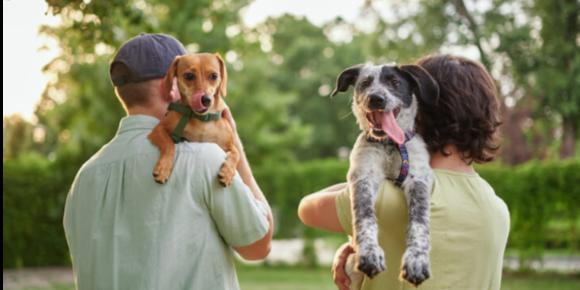
During a divorce, the fate of beloved family pets can become a contentious issue — sometimes resembling custody disputes. Unlike some states with specific laws regarding the disposition of pets, Virginia treats them simply as property. If they are acquired during the marriage, they are considered marital property and thus subject to equitable distribution during the divorce. However, there are some special considerations that come into play.
Equitable distribution means the court will aim for a fair, but not necessarily equal, division of marital assets, including marital pets. However, a living animal cannot be divided, nor would most owners want to sell it and split the proceeds. The key value of pets is not their economic worth but the companionship they provide.
Virginia family courts strongly encourage divorcing couples to reach an amicable agreement regarding pet ownership. This could involve one spouse keeping the pet and compensating the other financially or with other property. If an agreement proves elusive, the court will consider specific factors to determine which spouse gets to keep the pet. These include:
Acquisition and care — Who initially obtained the pet? Who was the primary caregiver, taking the pet to vet appointments and providing daily care?
Home environment — The court may consider which spouse’s post-divorce living arrangement best suits the animal's health and well-being. A large dog might struggle in a cramped apartment, so the spouse with a larger home and perhaps a backyard might have a superior claim to keeping the pet.
History of mistreatment — Does one spouse have a documented history of neglect or abuse towards the pet? Such behavior could negatively impact their claim for ownership.
After weighing these factors, the court will award sole ownership of the pet to the spouse who demonstrates a stronger claim. In such cases, the other spouse may receive a financial setoff to compensate for the loss of the pet. This setoff could come in the form of additional property, cash or a reduction in other debts they owe.
One thing that a Virginia court won't do is order shared custody or visitation schedules for pets, nor will a court involve itself in enforcing such schedules. These agreements, if desired, must be negotiated directly between the spouses or facilitated through out-of-court mediation.
Dealing with pet ownership in a divorce can be complicated and often requires a nuanced approach. An experienced Virginia divorce lawyer skilled in equitable distribution can be invaluable in crafting a workable solution.
The fair division of assets in a divorce requires strong representation. Call Harding, Harding & Harding Attorneys at Law, PLC at 757-499-2600 or contact us online to schedule a free consultation. We have offices in Virginia Beach, Chesapeake and Norfolk, Virginia.
Contact Form
We will respond to your inquiry in a timely fashion. Thank you.
Virginia Beach: 757-499-2600
Chesapeake: 757-401-6804
Norfolk: 757-512-8393
Testimonials
"In every case Mr. Harding takes, he strives to provide his clients with the highest level of legal service. If you choose Darrell M. Harding Attorney At Law, PLC to represent you, you can expect to receive experienced legal guidance and be treated with the utmost courtesy and respect at all times."
Pamphlets
Below are some comprehensive pamphlets created by our firm that clients may find helpful.
Our Offices
Award
Ratings & Reviews
-

Mr. Thomas F Harding Attorney at Law, Thank you for not only your legal expertise but also the compassion and emotional support you provided for our family during this, stressful times. Your exceptional negotiating skills allowed us to avoi...
Show More -
I recommend Mr Thomas Harding! During a difficult time in my life, he helped me with my legal situation. He is professional knowledgeable in his field, and handled my legal situation swiftly and efficiently! Thank you Thomas!
-
Thank you Thomas Harding! Everything was quick and easy. He helped me adopt both of my daughters in no time. Very knowledgeable, stayed in communication with us through out the whole process. I was amazed. Good people doing a great job! I h...
Show More -
Does excellent work, very much recommended
-
If you're looking for an outstanding divorce lawyer, Mr Harding is the professional you want on your side. With a deep understanding of family law and a compassionate approach, he made a stressful process much more manageable. His com...
Show More

